

My Journey from Self-defense to Sound Journeys
I’m Brigitte Schulze Martinez, and I founded 3 Rivers Defense in 2009, after decades in martial arts.
For over 17 years, I was committed to providing research- and evidence-based self-defense coaching.
My focus was on holistic, trauma-informed training, based on our instincts and intuition.
I am a SPEAR ® self-defense trainer, an Evidence Based Scenario Trainer, and a Be Your Own Bodyguard ® coach, all certified by Blauer Tactical Systems.
In addition to being a self-defense coach, I am also a certified sound practitioner, and I have been thrilled to provide sound journeys as part of our holistic wellness program. My love for gongs was kindled over 4 decades ago.
After years of going back and forth between Montana, USA, and Patagonia in Chile, my husband José Luis’s home, my husband and I moved back to Montana in 2024.
After much reflection, I’ve decided to pivot from self-defense and dedicate myself fully to sound journeys - a path I’m sharing with my husband, José Luis.
José Luis and I spent January and part of February in Chile and Argentina where we added to our collection of traditional Mapuche instruments. Recently, we returned to Montana from a 2-week sound medicine training in Mexico with wonderful people from all over the world. We’re happy to be back in Montana and to offer sound journeys at our studio in Bozeman and at our sound guests’ locations.
Sound journeys are a potent anti-dote to stress and anxiety, facilitating emotional and mental release and promoting calm and relaxation. Sound can restore and regenerate the parasympathetic nervous system which is often damaged by chronic stress.
The immersion in sound and stillness creates a sonic environment which allows the body to restore its physiological and emotional equilibrium. This process is known as acoustic co-regulation, conducive to reorganization towards harmony and holistic health.
See, The Art of Meditating With the Gong, Vikrampal © 2025 and The Pocket Guide to the Polyvagal Theory, the Transformative Power of Feeling Safe, Stephen W. Porges © 2017
A calm mind is a fundamental component for all phases of effective self-defense - threat detection and avoidance, de-escalation, and fighting back as ethically, morally, and legally appropriate. That is why I originally integrated sound work in my self-defense toolbox.
I am leaving self-defense work with deep respect for the integrity and effectiveness of the Blauer Tactical SPEAR ® self-defense system, its founder Tony Blauer and the worldwide team that I was privileged to have been a part of.
And now in 2026, as I move on, I will dedicate myself with the same focus to sound work. I hope you will join us on some of our sound journeys! Please stay tuned as we move on to our new page with a new name, Newen Sound.

Mystical fall sound journey
Next Sound Journey: 7pm, May 24th, 2026
Our next May sound journey will take place in Bozeman, at 7pm, on Sunay, May 24th, 2026
To reserve your spot, please register at NEWEN SOUND or RSVP by email to newen963@gmail.com or Venmo $35.00 to @Brigitte-Schulze
Brigitte and Jose Luis
What our sound journeys are about
We focus on living life with harmony and joy.
Intentional sound can create a harmonious balance of our physical, mental, emotional, and spiritual bodies.
Immersion into sound and stillness can provide deep relaxation, release, realignment, and restoration.
It can nurture joy, holistic wellbeing, and peace.

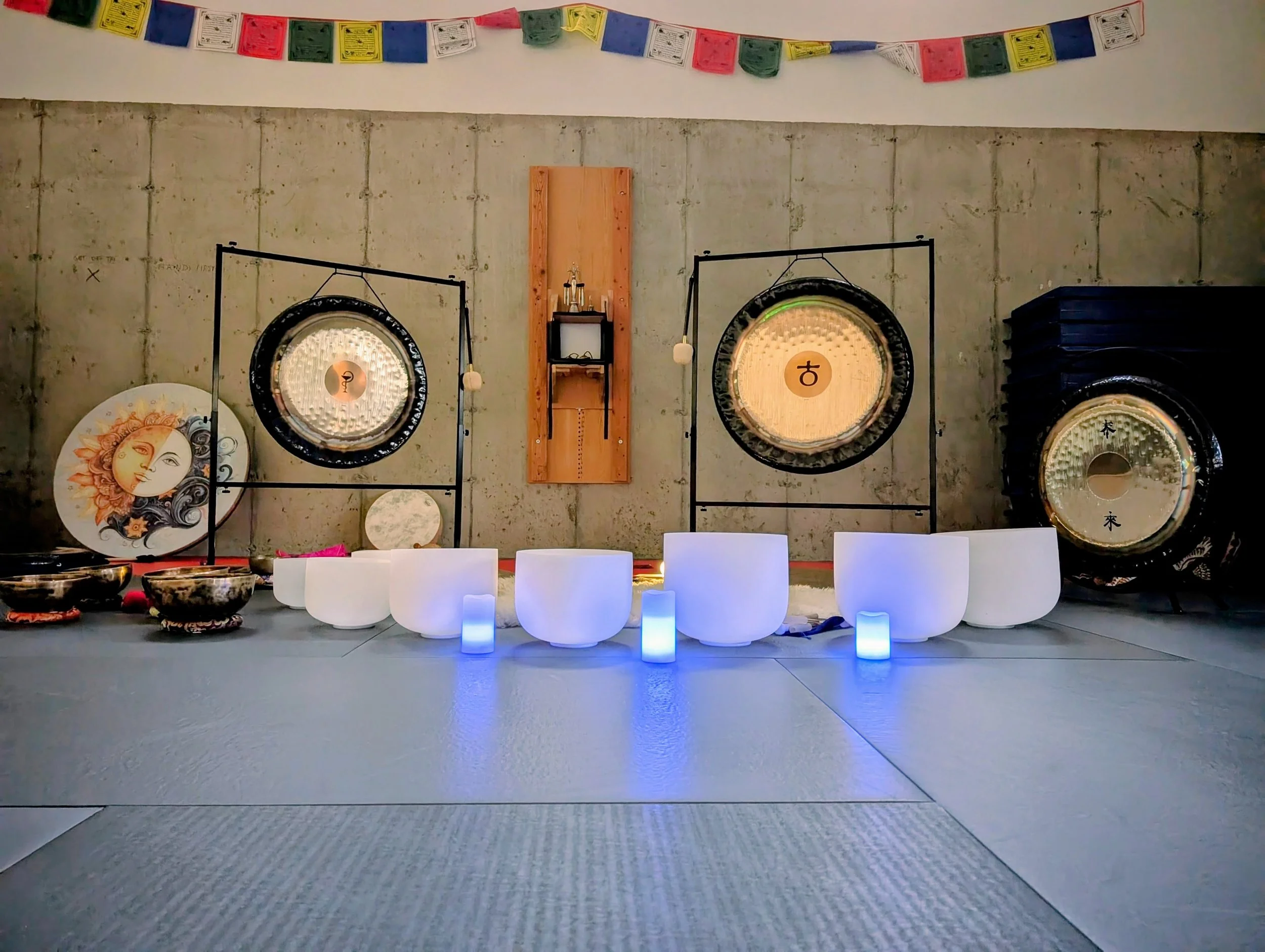
Shamanic drums and crystal bowls
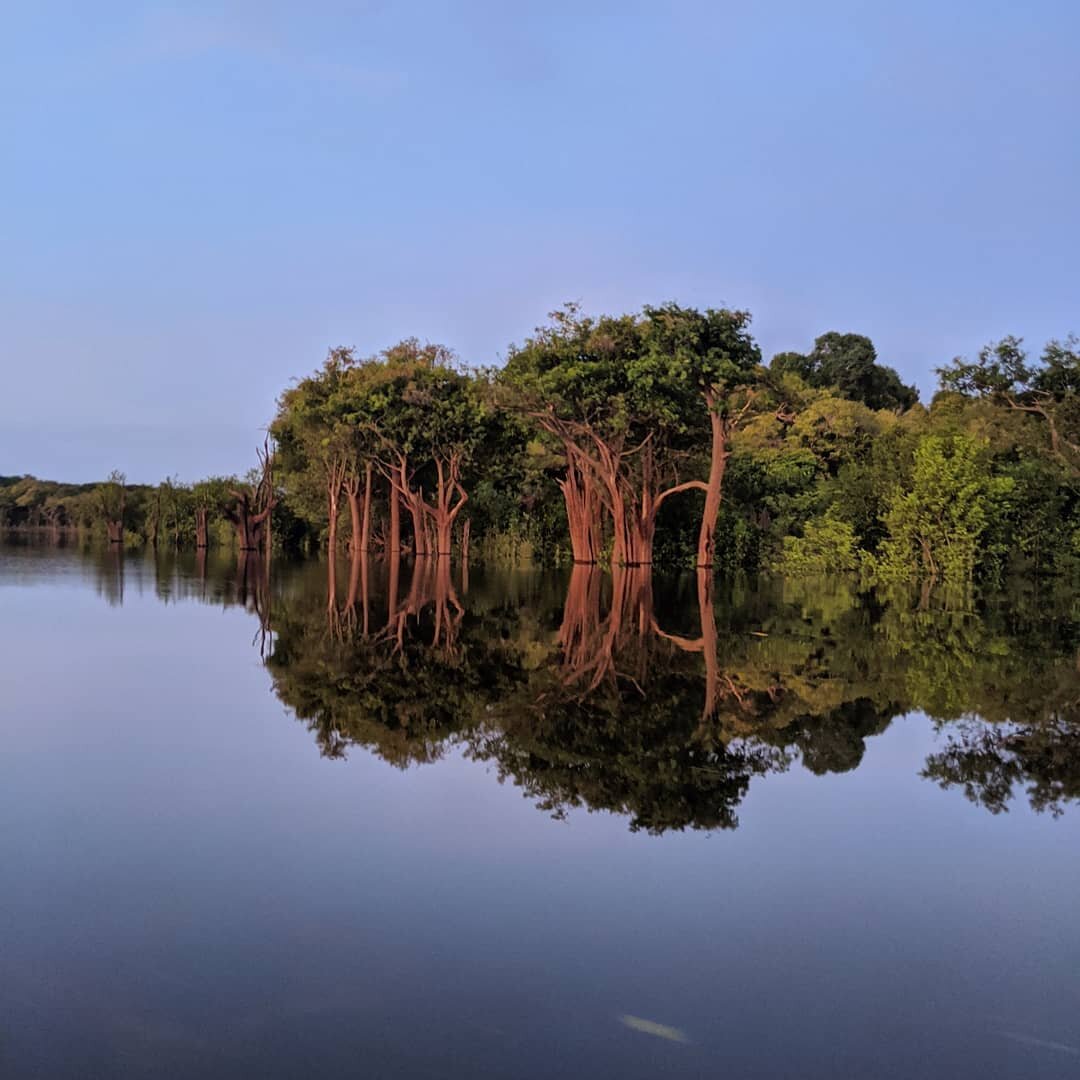
If you want to find the secrets of the universe,think in terms of energy, frequency, and vibration.” Nikola Tesla
Juma

Book Your Sound Experience
Please use this form to contact us for any questions you might have about any of our Newen Sound Journey options.
Please pay by VENMO @Brigitte-Schulze or contact Brigitte for other payment options to register for a sound experience.
You can also contact us by phone or text at 406.580.5190.
Our sound experiences include sound journeys at our studio or at your home or event location.
We believe in diversity. At Newen everyone is welcome!
Ready to Register for a Sound Experience
Please pay by Venmo (@Brigitte-Schulze)
